Why Speed to First Engineering Hire Comes Down to Network Density Not Recruiting Effort
Founding engineers come through trusted networks, so build yours early.
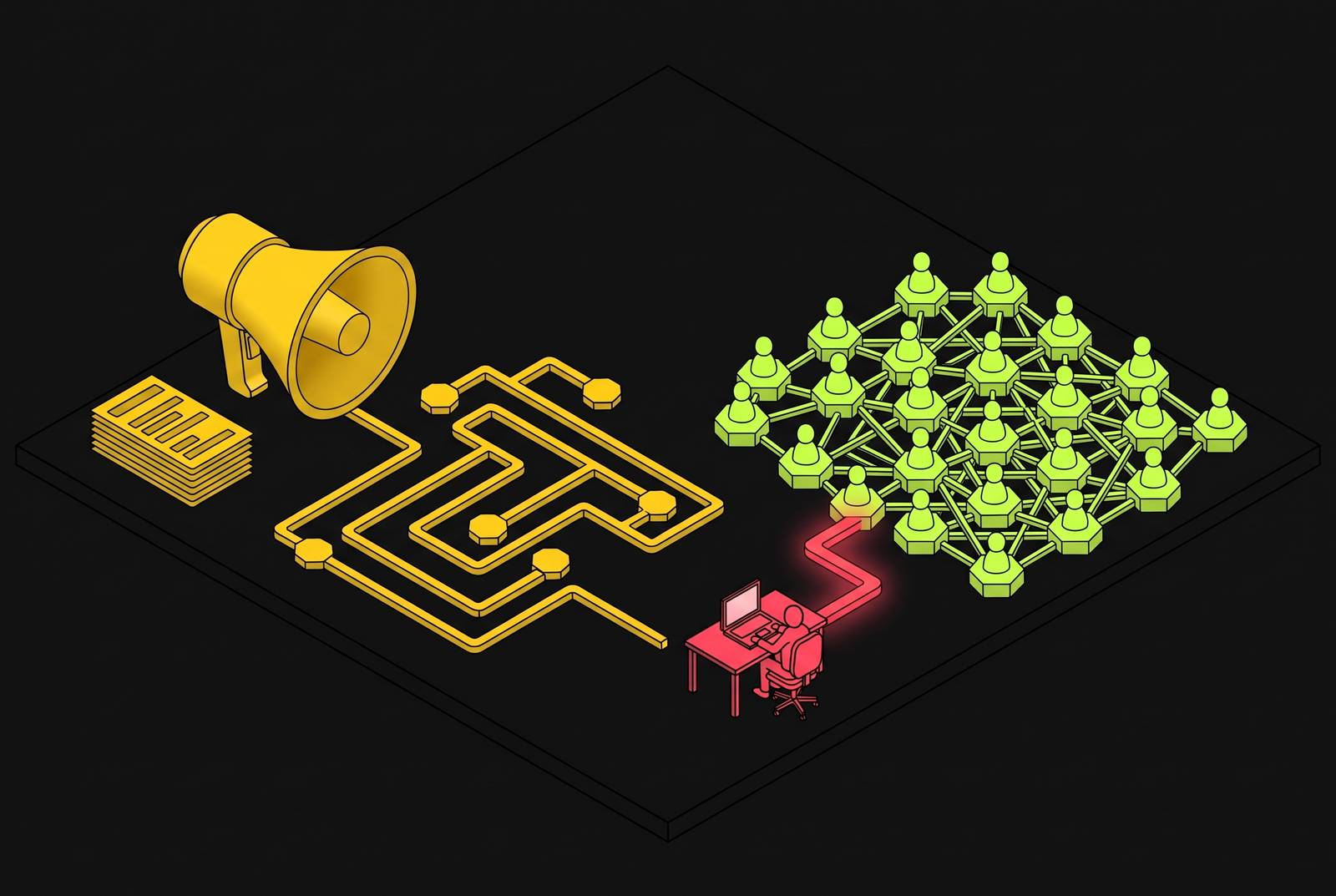
For technical founders making an AI startup’s first engineering hire, speed depends primarily on the warm, relevant network they have before recruiting begins. More recruiting work cannot quickly make up for a lack of access to the few founding-caliber engineers. The fastest way is through people who trust each other, with a founder who makes quick decisions, or through someone else’s network when the founder knows too few people.
Why founding engineers are genuinely scarce, and what that scarcity means for search speed
A founding engineer needs more than seniority. The relevant evidence is real 0-to-1 shipping at a venture-backed startup. Engineers with that record make up a small fraction of senior engineers, and most are already employed at companies that recently raised. Few are actively looking for a job. In 2026, demand for AI-native founding engineers is growing fast, putting more pressure on a supply that is already small.
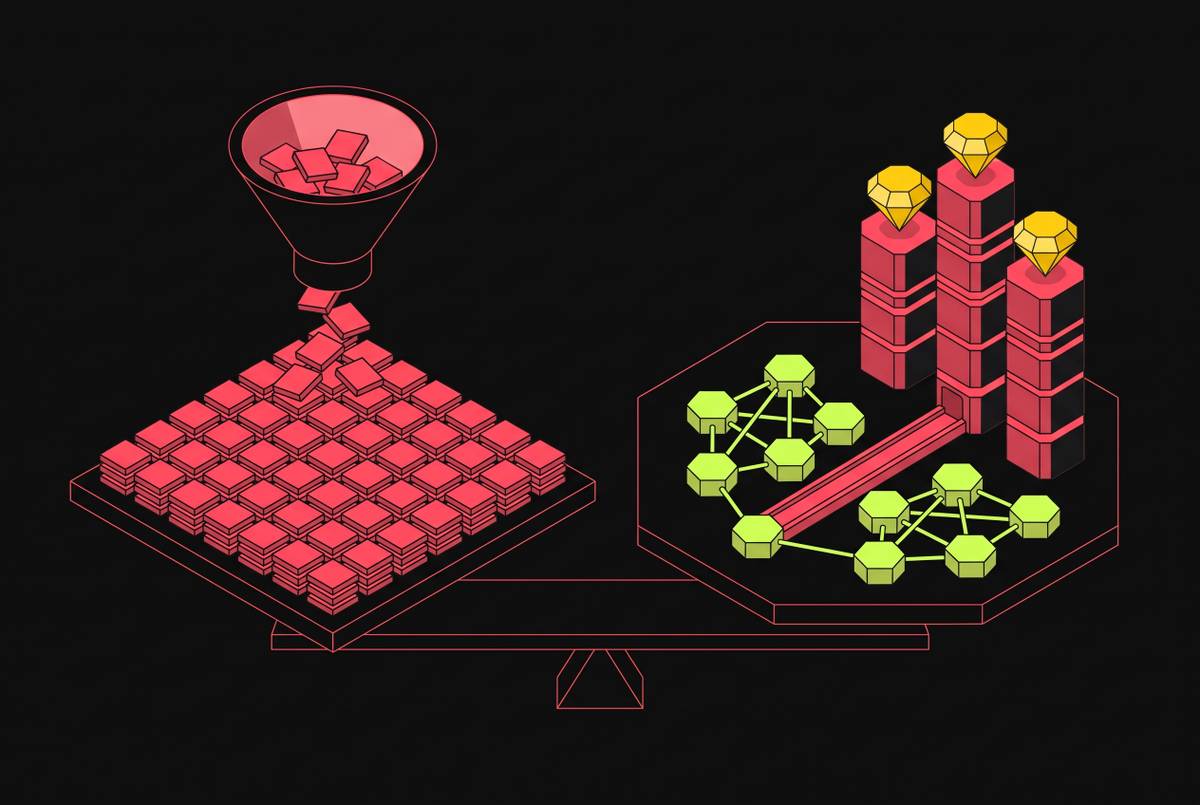
That pool also sits outside the most obvious recruiting targets. Pin’s 2026 analysis of Series A engineer joins found that only a small slice came straight from a large tech employer, while 52.5% came through nontraditional paths. A search concentrated on familiar company names therefore misses much of the relevant talent. Nearly every search for a founding engineer needs passive outreach. The delay starts with gaining access to people who have little reason to enter a hiring process, rather than with a shortage of founders willing to employ them.
Why effort-based recruiting hits a limit on exactly this kind of hire
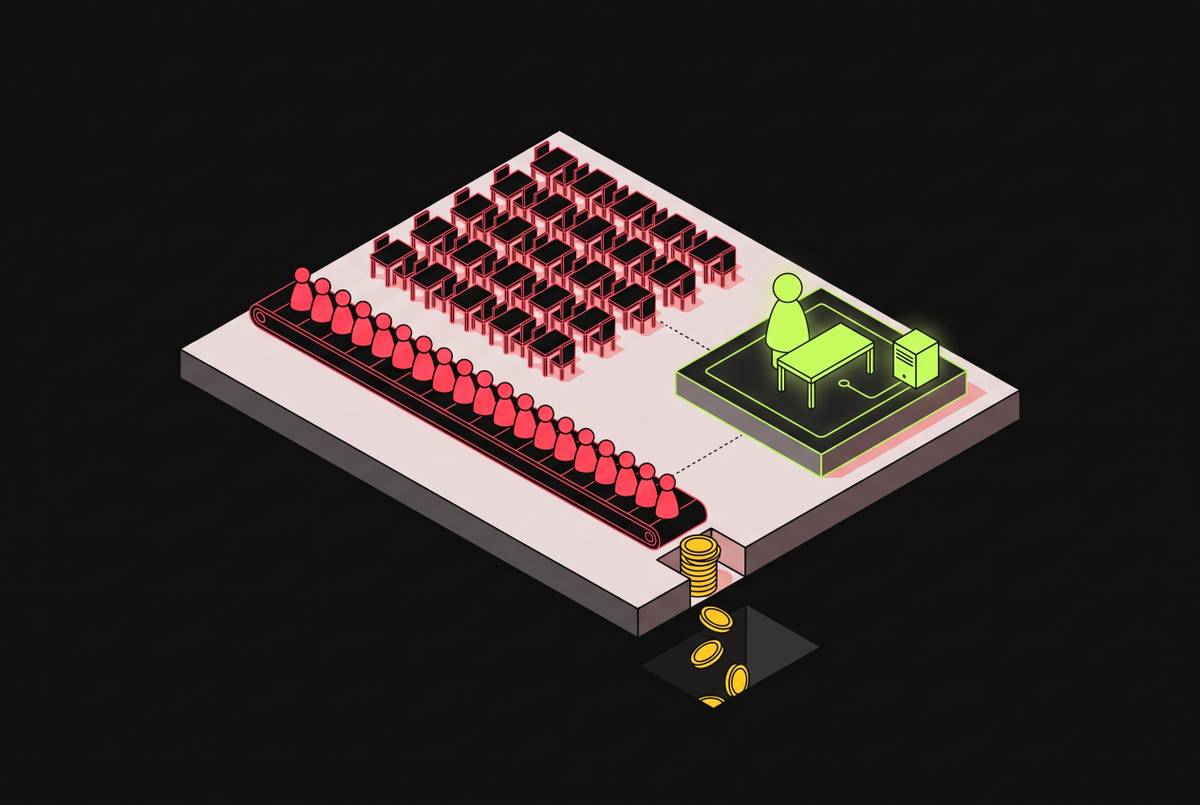
Posting more jobs works best when the right people are already looking. Startup marketplaces can surface those engineers efficiently, but they cannot make a heads-down engineer start browsing. For this hire, that is a serious mismatch. More applications may give a founder more work without bringing the search much closer to someone with founding-caliber experience. The channel’s reach constrains the pool available to even a diligent recruiter.
Cold outreach can reach passive candidates, but it has its own delays. Someone has to find engineers across GitHub, past projects, and companies beyond the obvious choices, then judge whether they fit with little to go on. After that comes the work of earning their attention. A warm introduction compresses these steps because some discovery, judgment, and trust already exist.
Looking for engineers at prestigious employers still takes that work. Pin found low reply rates from Big Tech engineers across millions of outreach attempts, with current compensation acting as one deterrent. Recruiting from Scratch treats founding engineer hiring as a proactive sourcing problem. A recruiter who knows the right engineers can help a founder reach them, while more applicants who are looking for work may just add to the wrong pool.
What network density actually means in a founding engineer search
Network density means the number of relevant engineers a founder can reach with a warm, credible signal before a formal search opens. It is not a contact count. Thousands of LinkedIn connections do little good if none is with engineers at relevant startups whom the founder has worked with. A smaller network can be much denser for this purpose when its members know the founder’s work and can credibly introduce the right people.
Warmth gives the candidate information before the first interview. A referred engineer can already have a rough sense of the role and trust the judgment of the person making the introduction. That helps an engineer move from hearing about a company to giving it serious thought. Pin’s 2026 data shows that candidates reply to seed-stage hiring teams at a rate of 16.8%, higher than its cold-outreach baseline for Big Tech engineers. Those rates suggest that more than the number of messages matters, though a reply rate alone does not directly measure a founder’s relationships.
Prior context can also shorten evaluation without weakening it. A candidate was given three features and asked to choose one to build, built all three in three days, and was hired as CTO. What was already known about the candidate helped make that quick evaluation possible. Without it, the same exercise would not supply everything a founder needs to know about temperament and working style.
The practical self-test is therefore specific. Does the founder know relevant engineers whose work they can judge, and would those engineers take a conversation seriously? Can trusted contacts introduce others with the right experience? This second-degree reach belongs in the definition of density because the founder need not know every candidate personally. Even with a path through a social graph, the introduction needs to come from someone the engineer trusts.
Why referrals dominate early hires in conversion but exhaust faster than founders expect
Referrals produce unusually strong returns per candidate. Recruiting from Scratch and Pin’s 2026 data both show that referrals account for a disproportionate share of early hires relative to their share of applications. A referred candidate is much more likely to become a hire than a cold applicant. That makes referrals an efficient starting point, but efficiency is not the same as supply. A small number of excellent introductions can still leave a founder without a hire.
YC’s first-engineer hiring guidance puts personal networks first and advises founders to focus exclusively on them for the first three engineering hires. That advice assumes the founder knows enough of the right people to hire from. That may be too much to expect outside communities where many engineers know each other. Referrals remain a minority of actual startup hires even at early-stage companies, while sourcing accounts for a substantial share. The gap reflects how quickly the available network can run out.
Network exhaustion is a structural limit. A founder with shallow engineering connections can reach it at hire one or two, while one with dense technical relationships has more room to search. Even a strong network cannot support referral-only hiring indefinitely. Density extends the runway by increasing the number of relevant people reachable through trusted paths. For the first hire, the decisive advantage is having enough of that runway before a formal process starts, rather than discovering under time pressure that it is missing.
How founder responsiveness interacts with network density to set actual time-to-hire
Access does not guarantee a quick close. Founding-caliber engineers are employed and in demand, and the strongest candidates may be weighing several opportunities at once. A founder who takes too long to interview or decide gives other companies room to move first. Founder-led interviews within a tight window correlate with higher acceptance rates. They also signal that joining the company will mean working with a decisive founder who avoids unnecessary process.
When founders get involved quickly and make fast decisions, they protect the advantage a warm introduction creates by helping turn the trust already there into an accepted offer. A dense network with a slow internal process can lose to a slightly thinner network backed by quicker decisions. Responsiveness therefore modifies the advantage density provides. It captures the value of access once the candidate is willing to engage.
How network density is built before a search, not during it
The lesson for founders anticipating a hire is to build relevant relationships before they need candidates. Community participation is one concrete way to do that. Events where engineers gather around their craft and ambition create opportunities to know people as peers rather than immediately approaching them as prospects. Those relationships can later produce candidates or introductions. Starting that work in the week a search opens means doing relationship-building and recruiting at the same time.
New York Tech Week, presented by a16z, featured more than 1,500 tech and startup events in 2026. ELC Annual 2026, held October 13–14, convened engineering leaders including CTOs of 1Password, DocuSign, Box, and Okta, plus co-founders from Fireworks AI and Baseten. Hacker News’s “Who is Hiring?” thread, active in November 2026, offers a different mechanism, giving founders and engineers a direct, low-friction channel beyond in-person community settings.
When a founder’s GitHub contributions, writing, and tools are visible and respected, engineers can get to know that work before any talk of hiring. Engineers who respond to that work can self-select for alignment with the founder’s interests and approach. This creates inbound interest without requiring a separate introduction to every person.
Founders can also deliberately build relationships with well-networked technical operators, including former founders, senior ICs at relevant startups, and engineering leaders. Those contacts extend warm reach beyond the people the founder knows directly. Hunt Club’s operator-referral model illustrates the same second-degree mechanism at a service level. The personal version requires relationships with people whose judgment relevant engineers trust, built early enough that a hiring request does not have to establish the relationship from scratch.
How do you hire your first senior engineer when your network is thin and time is short?
When the search is already live, the fastest available substitute is borrowed network density. A specialized recruiter can reach passive candidates through people they have come to know over many searches. The founder gains access without first constructing the whole network. The useful distinction is whether the service brings relevant access and qualification, or only adds activity.
The choice depends on stage, budget, and how much of the process the founder wants to run. Recruiting from Scratch uses proactive sourcing for early-stage searches. Dover combines a fractional recruiter with software, with the recruiter handling sourcing and screening while the founder retains final assessment decisions. That model suits early-stage and budget-constrained searches. It helps when there are too few people to do the recruiting, while leaving the founder to judge who they can work closely with.
Other models borrow access in different ways. The Sourcery and Rocket are boutique contingency firms focused on startup IC hiring, with fluency in early-stage compensation and equity. Hunt Club uses referrals from experienced operators to reach passive senior talent, but its network primarily serves non-engineering functions and senior leadership. That limits how directly its model fits a first engineering hire. A warm network is useful only when it reaches the kind of person the company actually needs.
A screened pool can compress qualification by containing engineers who are open to moving even if they have no prior connection to the founder. Pin’s 2026 user survey reports that hiring teams on its platform fill roles in an average of 14 days. That figure covers its users as a group, with no specific estimate for first engineering hires or seed-stage teams. Its pre-indexed candidate data and reply rates above cold-outreach baselines illustrate how prepared access can shorten a search.
Borrowing a network still leaves an information gap. An introduction from someone else cannot tell a founder as much about a person’s temperament, working style, and track record as knowing that person and the setting they worked in firsthand. The trade-off is a shorter search now at the cost of somewhat higher evaluation risk. For a founder who cannot wait, that is a practical compromise. The borrowed relationship can open the door quickly, but the founder still has to judge who should come through it.